Instructor: Loren Williams
Time: 3:30 PM - 4:45 PM MW
Credits: 3
Location: MoSE 1224
How did life begin? We do not know. This deceptively simple question demands scientific reasoning at the limits of evidence. It resists conventional disciplinary boundaries and requires the integration of concepts from chemistry, biology, physics, and geology. This course teaches students to think critically and analytically about origins-of-life research and about scientific reasoning more broadly. We will examine competing models—including the RNA World, Clay World, Vent World, metabolism-first, and chemical evolution models — and the logical frameworks that support them. Students will learn to evaluate claims rigorously, identify hidden assumptions and logical fallacies. We will study both the power and the danger of scientific models and explore how scientists commit to them through training and expertise, professional networks, publication history, and the intertwined forces of funding and reputation. We will examine how models can illuminate understanding or constrain it. Students will learn useful formalisms and common logical errors that shape scientific reasoning. This class is designed for chemists, biochemists, biologists, geologists, physicists, and engineers willing to engage with some of science’s hardest and most consequential questions.
This course is self-contained and is directed at students from a broad variety of backgrounds. Students are expected learn and know chemical structures and principles as directed by the Professor and outlined on the course calendar.
Canvas, email, office hours and the course homepage (here) will be important for exchanging information. Students are invited to meet weekly at office hours (coffee provided by the professor) at coffee shops nearby to Tech. The PI's office is also an option.
This course is intended to be safe, informative, helpful, and fun. There are no exams. Grades are determined by class participation and presentations. To receive a grade of A, a student must obtain a 90% average. To receive a grade of B, a student must obtain a 80% average
Because this class is large, it is neither realistic nor desirable for every student to speak during every lecture period. Instead, participation is evaluated across the semester in a way that rewards intellectual engagement while keeping expectations fair and low-pressure. Each class meeting is worth 100 participation points. All students automatically receive 70 points for being present, attentive, and prepared. Students may earn up to 30 additional points per class for active, high-quality participation. At the end of the semester, the lowest 20 participation scores will be dropped. This structure allows every student the flexibility to be quiet on many days while still providing a strong incentive to participate meaningfully on other days.
A high participation grade reflects the quality of thinking and preparation a student brings to class and will include: (i) Contributing ideas that are insightful, creative, or analytically strong, (ii) Posing questions or insights that advance understanding, (iii) Connecting concepts across lectures, readings, or disciplines and (iv) Responding thoughtfully and constructively to the ideas of others. Participation grades will be posted regularly on Canvas throughout the semester. If you do not understand the basis of a given grade, please resolve it within 24 hours with Juliana.
Extra credit will be afforded for small group presentations.
Students are expected to attend each lecture unless there is a compelling reason to miss. Students are expected to check their email, monitor the course syllabus, and the course Canvas page. Students are expected to read the assigned material before class.
Professor: Loren Williams
Office: Room 1309 IBB
Web Site: here
Office Hours M,W after class
Email Protocol: Please send email directly, not through Canvas (even if the instructor sends email through Canvas). Please put the following information in the subject line:
Origins of Life, firstname lastname, subject
Example: Origins of Life, Marie Curie, request for radiation badge.
| Date | Topic | Reading |
|---|---|---|
| Jan 12: Mon | Science: The Nature of the Process | Kuhn |
| Jan 14: Wed | The Origins of Life: The Scientific Question | LDW |
| Jan 19: Mon | MLK Day | |
| Jan 21: Wed | Filters and Logical Constructs Introduction Honeypot Parsimony Survivorship Bias |
LDW LDW LDW |
| Jan 26: Mon | Filters and Logical Constructs, continued Teleology Continuity Networking Network Effect |
LDW Leibniz LDW LDW |
| Jan 28: Wed | Framing Life The Tree of Life: Twigs, Primary Branches, LUCA, the Root |
LDW |
| Feb 2: Mon | Student Presentations | |
| Feb 4: Wed | Bioenergetics First and Second Laws |
LDW |
| Feb 9: Mon |
Kinetics and Thermodynamics
Energy Currency |
LDW
LDW |
| Feb 11: Wed | Biological Molecules Sugars and Carbohydrates |
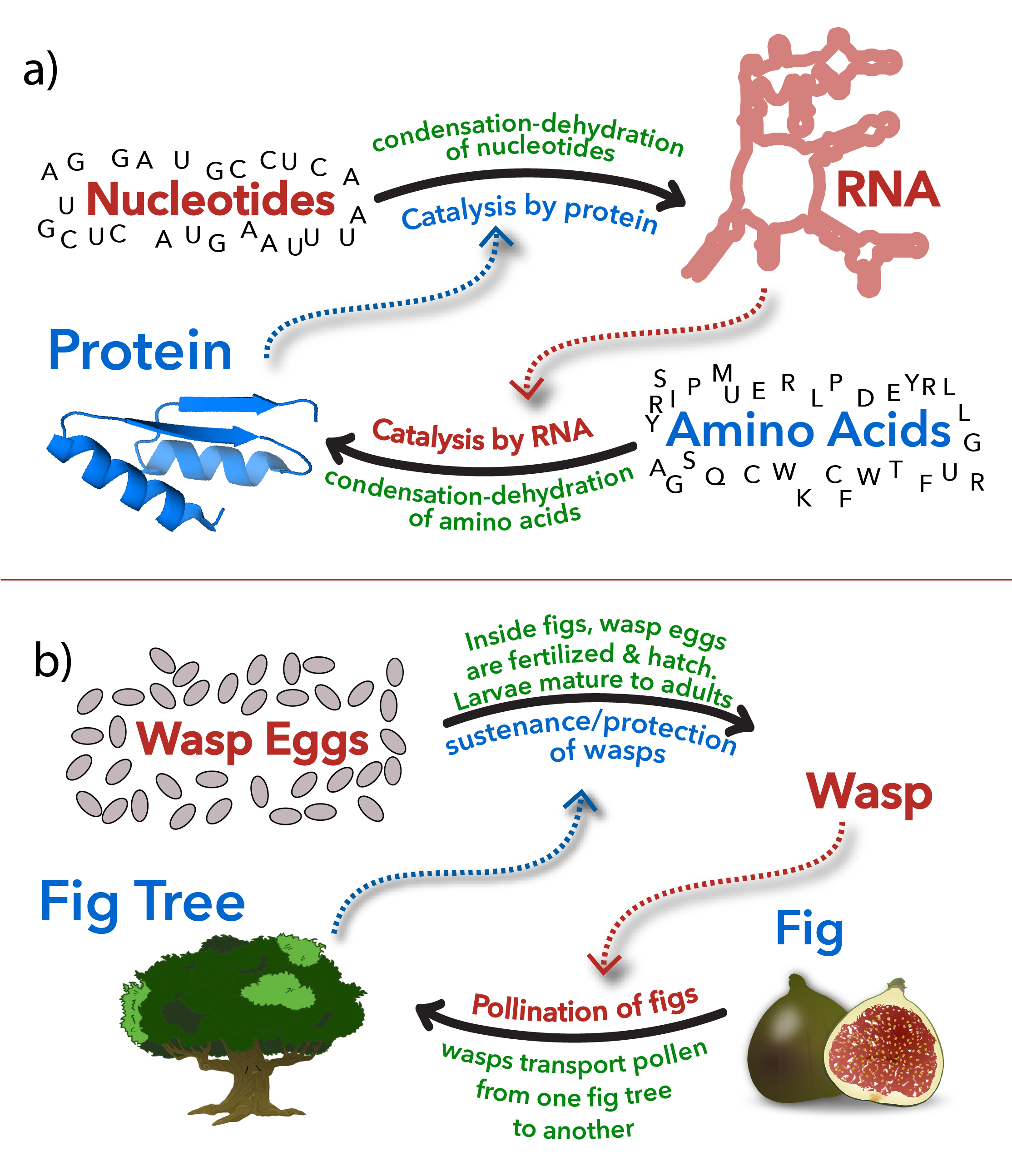
LDW, mutualisms, saccharides |
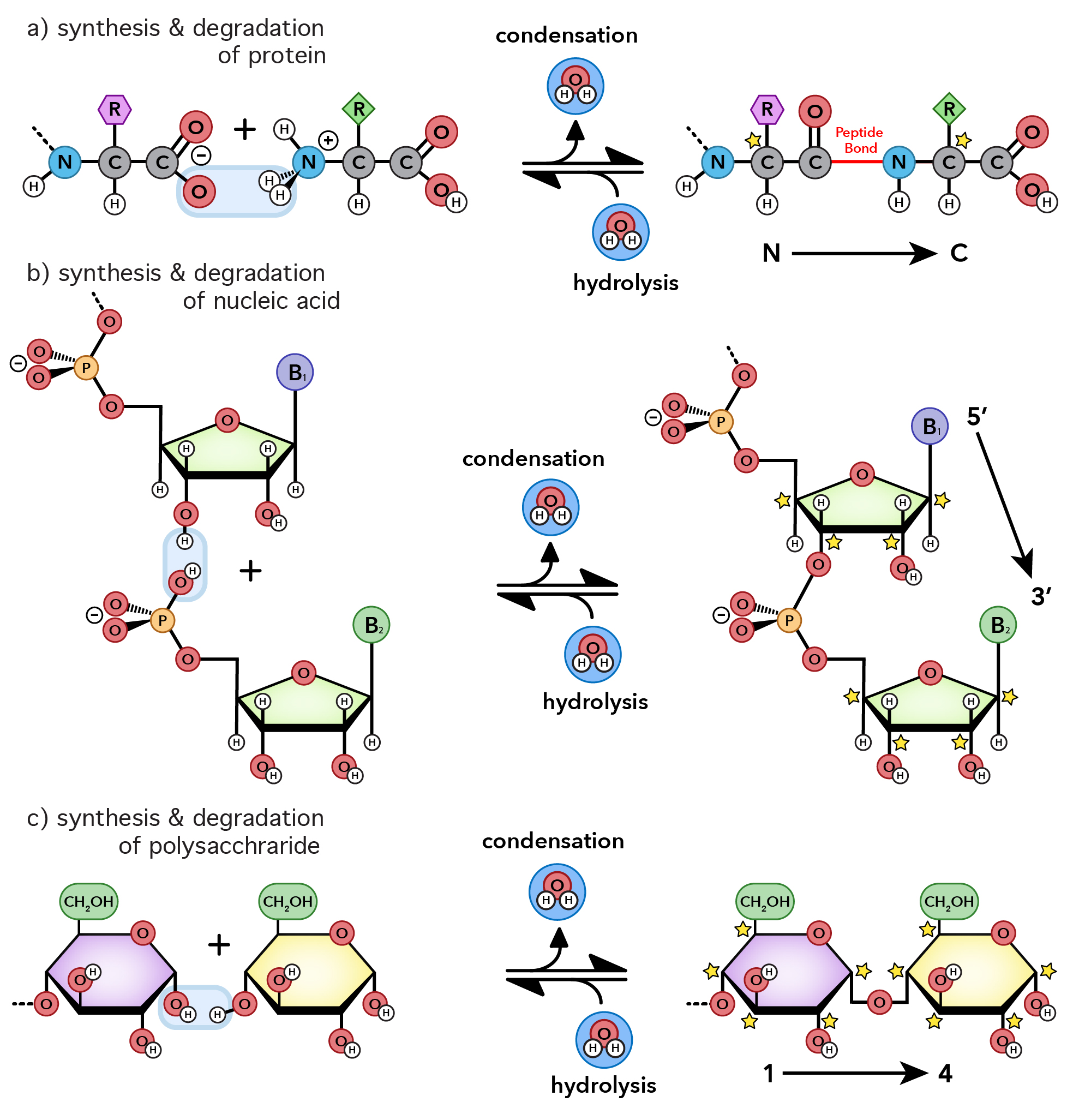
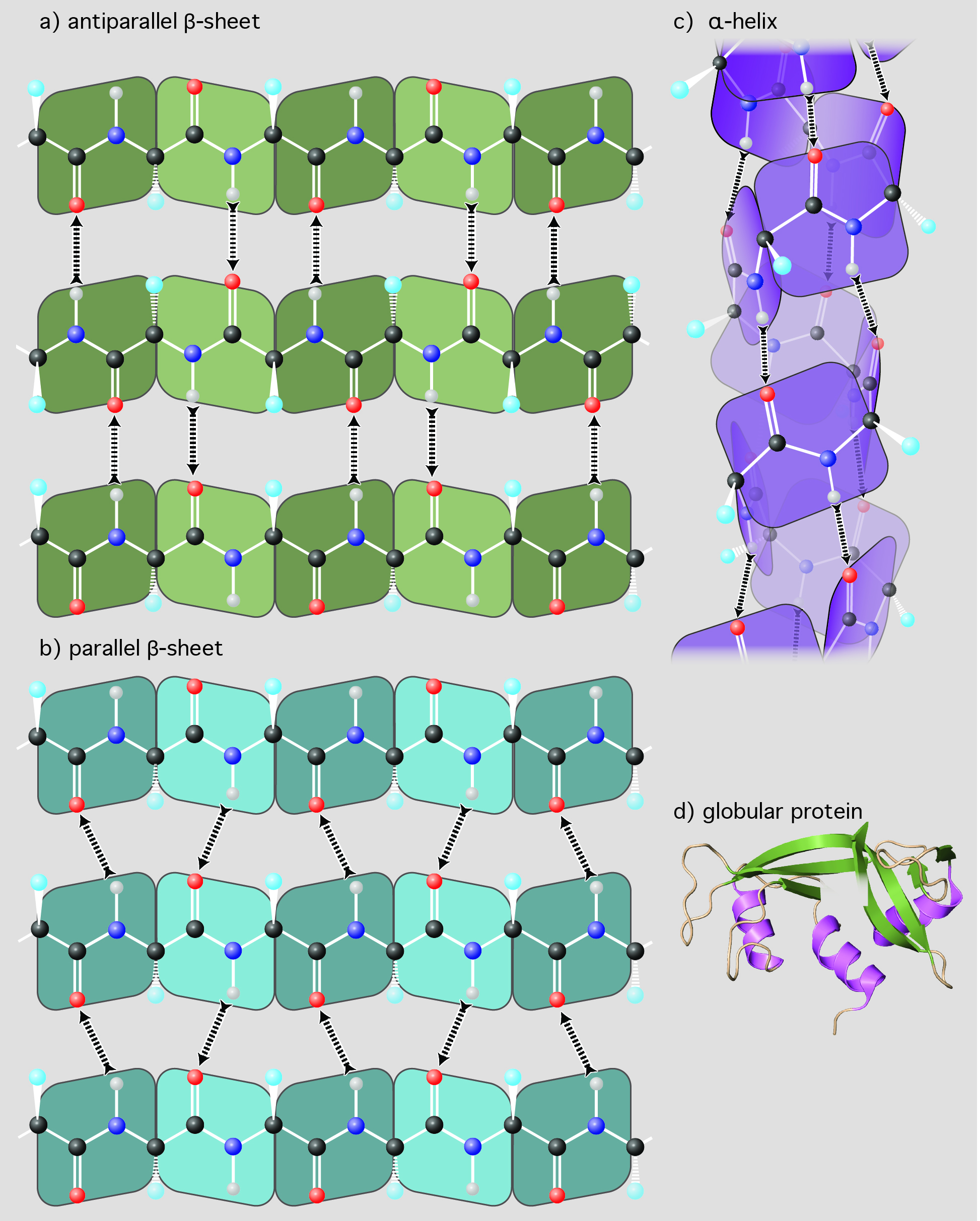
| Feb 16: Mon | Amino Acids, Nucleotides, Proteins and Polynucleotides | AA, biosynthesis, sheets_helix, protein function |
| Feb 18: Wed | Lipids, Amphipaths, Metabolites and Cofactors | LDW |
| Feb 23: Mon | Student Presentations |
Evolution and Tinkering |
| Feb 25: Wed | Emergent Properties of Polymers | LDW |
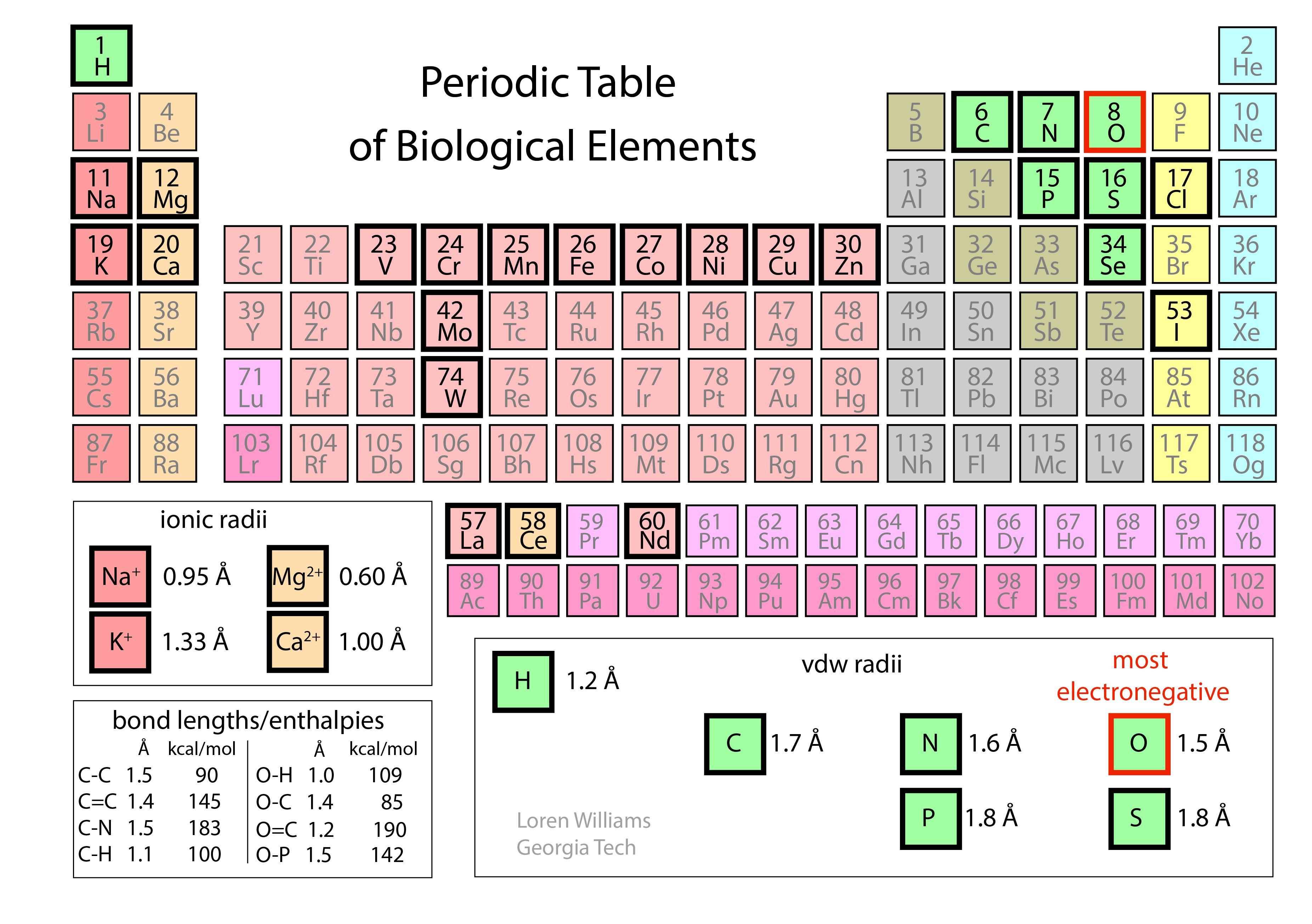
| Mar 2: Mon | Properties of Biological Molecules, continued | Periodic Table |
| Mar 4: Wed | The Nature of Biochemistry The Biochemical Core |
LDW |
| Mar 9: Mon | Water as Medium, Reactant and Product | LDW |
| Mar 11: Wed | Entanglement, Mutualisms |
LDW, LDW |
| Mar 16: Mon | Student Presentations | |
| Mar 18: Wed | Student Presentations | |
| Mar 23: Mon | Spring Break | |
| Mar 25: Wed | Spring Break | |
| Mar 30: Mon | Evolution Natural Selection, Spandrels, Tinkering, CNE |
Darwin, Gould, Jacob, Stoltzfus |
| Apr 1: Wed | The Actual Origins of Life Survey of Authentic Prebiotic Chemistry: Miller-Urey, Bennu Astroid (returned sample) Murchison Meteorite |
Miller, Mojarroa, Furukawa, Koga |
| Apr 6: Mon | Models Introduction to Chemical Evolution [Juliana Presentation] |
DiGiacomo |
| Apr 8: Wed | More on Chemical Evolution | LDW |
| Apr 13: Mon | RNA World | Gilbert |
| Apr 15: Wed | Thermal Vents World | Goldman |
| Apr 20: Mon | Careers in the field of the OOL | |
| Apr 22: Wed | Student Presentations | |
| Apr 27: Mon | Student Presentations | |
| May 1: Fri | Final Exam (2:40-5:30 PM) |
| January 12 (Mon) | First day of classes for Spring 2026 |
| January 19 (Mon) | Official institute holiday — Martin Luther King, Jr. Day |
| March 23 (Mon) - 27 (Fri) | Spring Break |
| April 27 (Mon) - 28 (Tue) | Final instructional class days for Spring 2026 |
| May 7 (Thu) | End of term |
All materials required for this course will be posted on this page. There is no textbook.
Any student requiring special accomodation should confer with the Professor and consult with Disability Services.