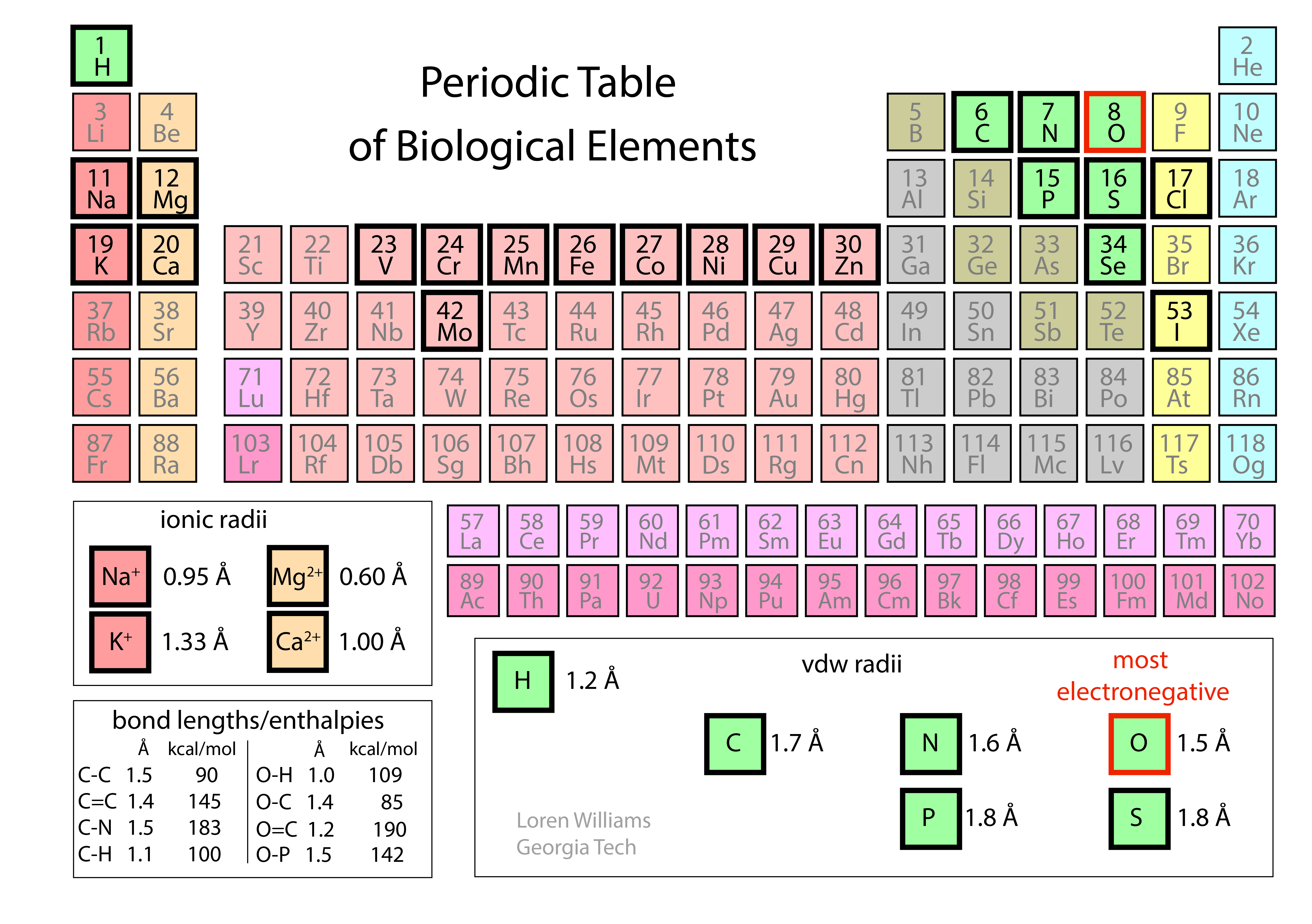
MODULES | SCHEDULE | Canvas | Molecular Interactions | Flash Cards | Amino Acids Cheat Sheet | Text: Lehninger | Sample Quizzes | Biochemistry Periodic Table | GA Tech Software | Pymol ATP_synthase | Structures | CHEM 4801 — Chemical Origins of Life
Course Description: This course covers principles of protein, nucleic acid, carbohydrate and lipid structure, assembly, and function. Topics include the role of water as an active media, and detailed descriptions of three-dimensional structures and mechanisms in the context of molecular interactions. Students learn to understand, visualize and analyze large biological assemblies in three dimensions. The course is intended to meet the needs of undergraduate students who are contemplating graduate school, medical school, physician assistant programs, pharmacy school, and/or the universe.
Class structure: Canvas, email, Piazza and the course homepage (here) will be used for exchanging information. Students are expected to attend each lecture unless there is a compelling, approved reason to miss. Students are expected to check their email, engage on Piazza, monitor the course homepage, and the course Canvas page on a frequent basis.
Grades: Grades are determined by quizes (30%), a final exam (20%), and participation in class (50)%. 75% of the final exam will be very similar to material covered on the quizes. 25% of the exam will cover general material from course discussions. Extra credit might be offered, at the discretion of the professor. To obtain a letter grade of A, a student must obtain greater than 90.0%. To obtain a letter grade of B, a student must obtain greater than 80.0%. To obtain a letter grade of C, a student must obtain greater than 70.0%.
Class Participation: This class will be run like a group meeting. Participation is evaluated across the semester in a way that rewards engagement while keeping expectations fair and low-pressure. Each class meeting is worth 100 participation points. All students automatically receive 50 points for being present, attentive, and prepared. Students may earn up to 50 additional points per class for active, high-quality participation.
Active participation is essential to this course. Active participation involves: (1) Engagement: maintaining presence and focus during each class; (2) Analysis: sharing informed, well-reasoned, insightful, and creative perspectives; (3) Synthesis: drawing connections between discussions, readings, and external material; (4) Inquiry: asking questions and offering observations that push class discussion forward; and (5) Dialogue: listening attentively and building on classmates' ideas in a respectful manner. Participation grades will be posted regularly on Canvas throughout the semester. If you do not understand the basis of a given participation grade, please resolve it within 24 hours with Dr. Williams.
Textbook: The textbook for this couse is Lehninger Principles of Biochemistry, Seventh Edition. This edition is several years old and is free. Biochemistry changes very slowly.
Required Software: PyMol and Endnote. Instructions for downloading and installing software will be provided.
Instructor:
Professor Loren Williams
Office: 1309 IBB (at Tech)
Office hours: Immediately after class at Frankfurt de la Vila or by appointment.
Email: When sending an e-mail message, please put the following information in the subject line:
CHEM 3521, firstname lastname, subject
Example:
CHEM 3521, Enzo Fernández, I did not deserve that red card
Honor Code: In this class we will adhere to the Georgia Tech Honor Code. However, students are allowed to collaborate and should feel free to work together. Plagiarism is not allowed. For any written assignmet, each student must compile and write-up their own work.
| Date | Meeting Number | Module Number | Quiz | Quiz Topic |
|---|---|---|---|---|
| Wednesday, October 14, 2026 | 1 | Module #1: Syllabus and Course Introduction, Biopolymer Structure and Function |
||
| Wednesday, October 14, 2026 | 2 | Module #2: Short Range Repulsion |
||
| Thursday, October 15, 2026 | 3 |
Module #3: Electrostatic Interactions Module #4: Dipolar Interactions |
||
| Thursday, October 15, 2026 | 4 |
Module #5: Hydrogen Bonding Module #6: the Hydrophobic Effect |
||
| Monday, October 19, 2026 | 5 |
Module #7: The First Law, the Second Law, the Universe, and the System Module #8: The PDB Module #9: |
||
| Monday, October 19, 2026 | 6 |
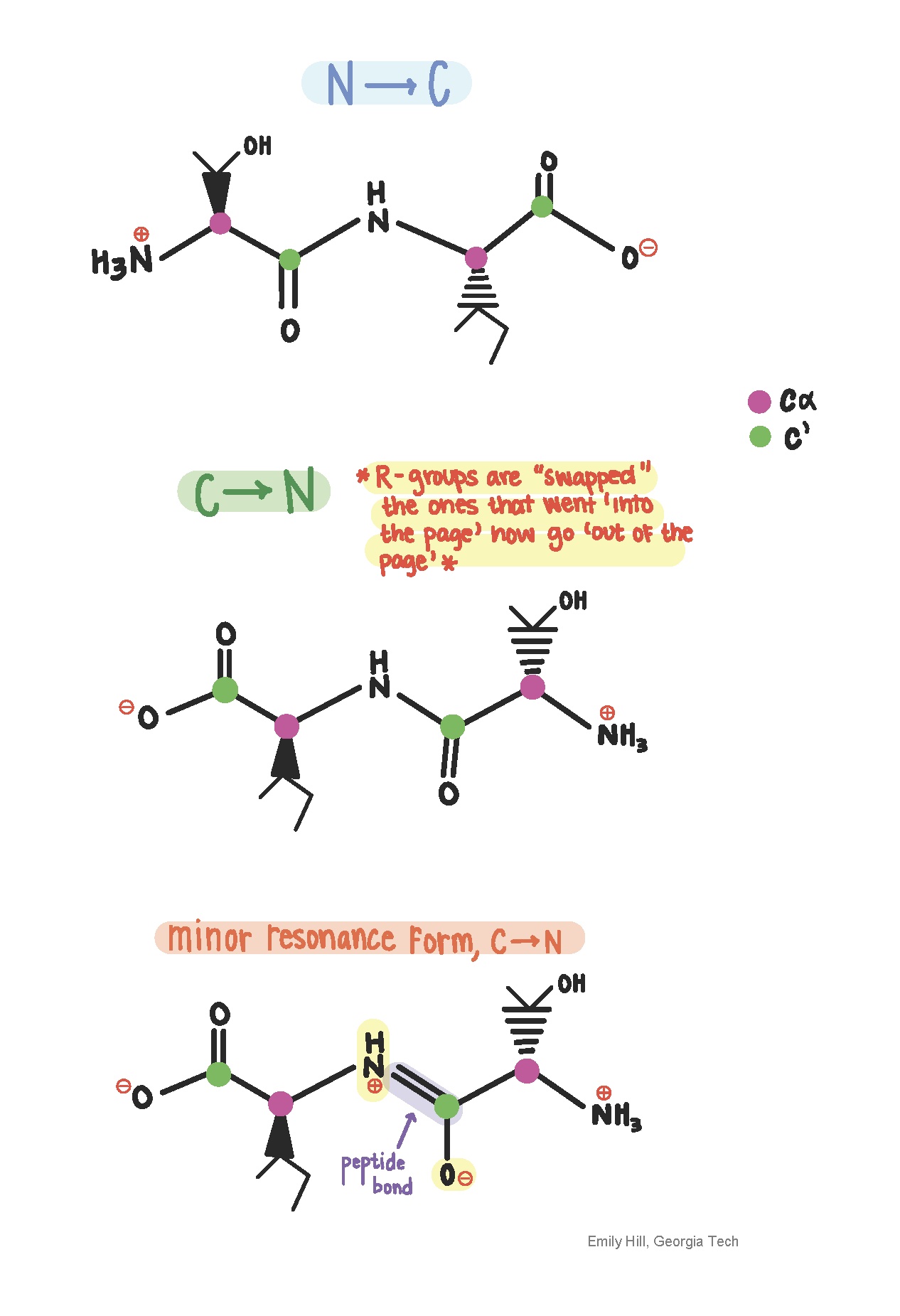
PyMol Module #10: The Peptide Bond |
||
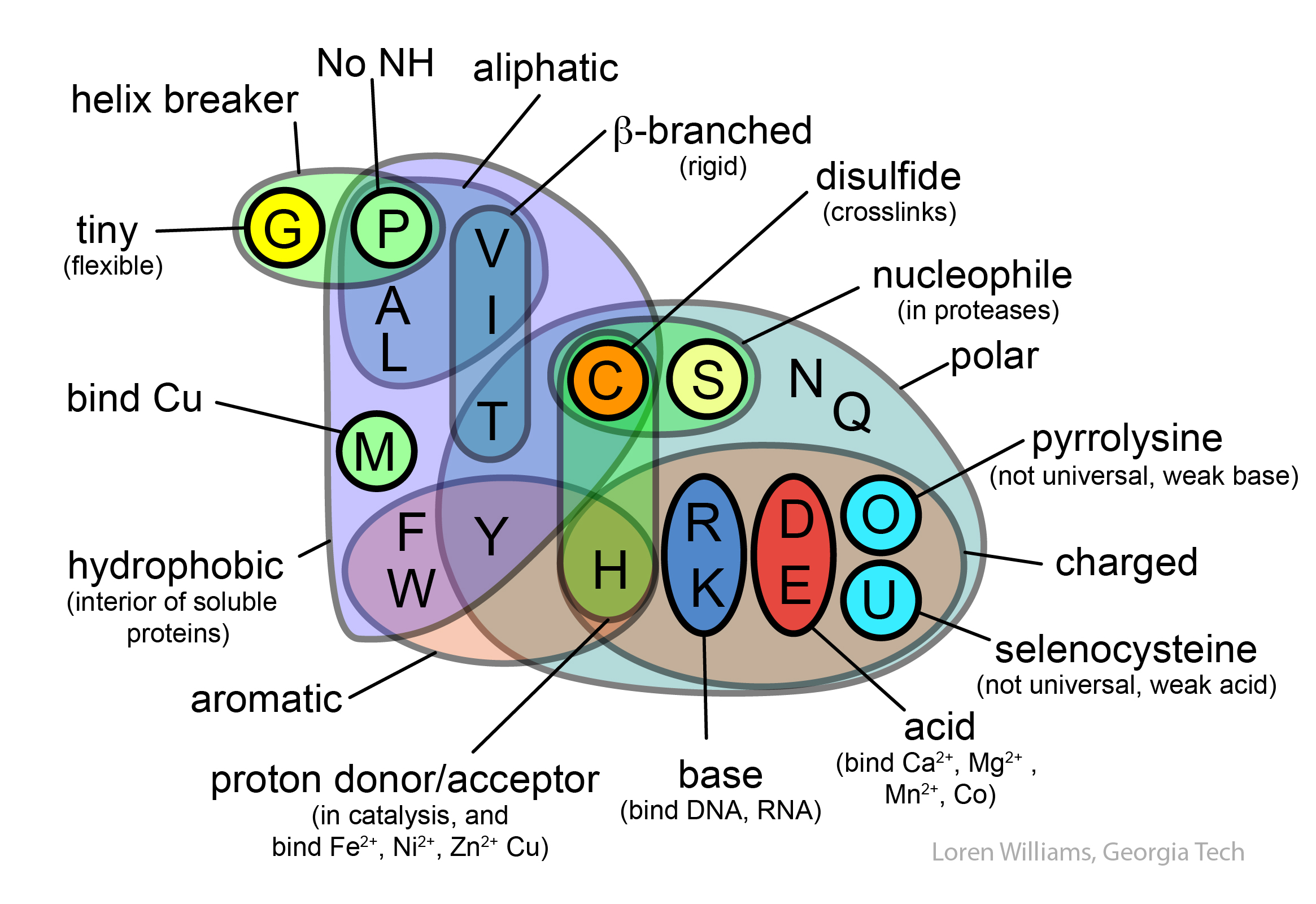
| Wednesday, October 21, 2026 | 7 | Module #11: Amino Acids |
Quiz A | Molecular Interactions |
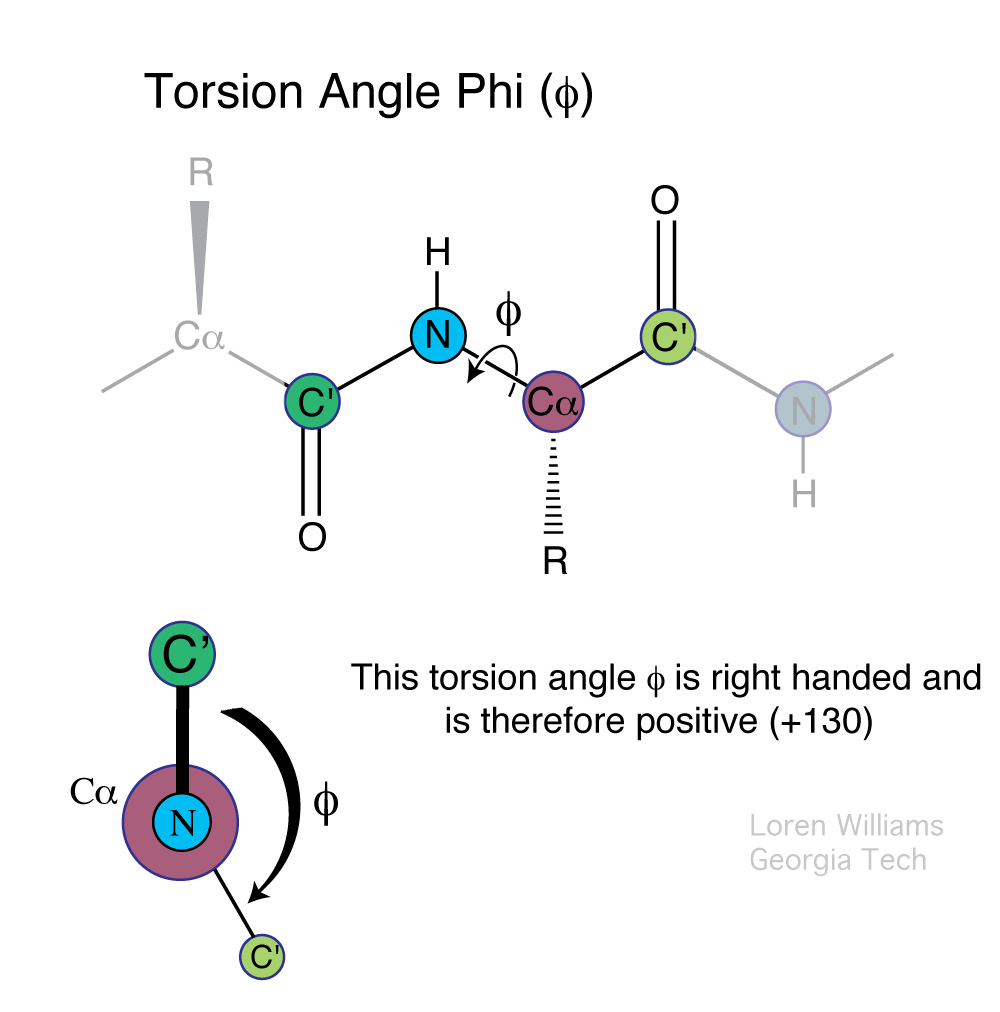
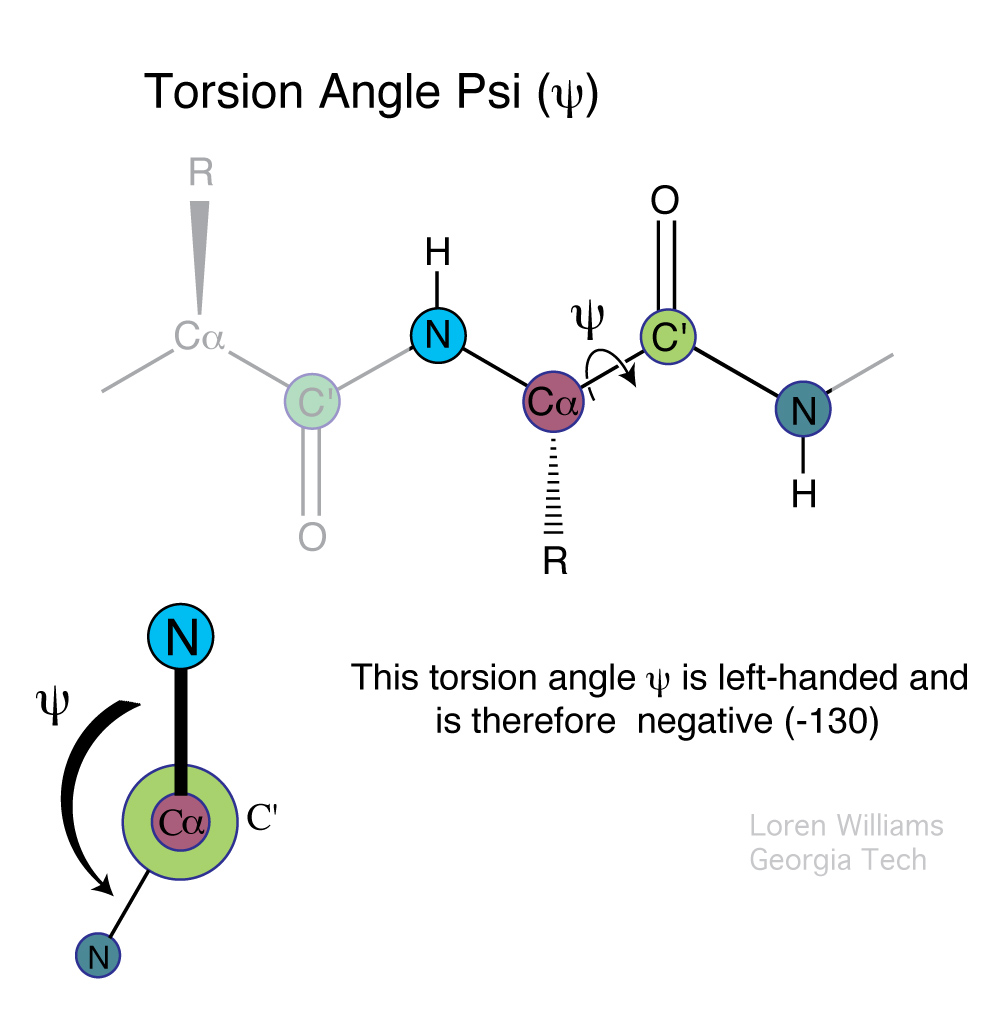
| Wednesday, October 21, 2026 | 8 | Module #12: Torsion Angles φ and ψ |
||
| Thursday, October 22, 2026 | 9 | Module #13: Protein Secondary Structure |
Quiz B | Thermo |
| Thursday, October 22, 2026 | 10 | Module #14: Protein Tertiary and Quaternary Structure, Fibrous Proteins |
Quiz C | Amino Acids/Peptides (cards 1-26) |
| Monday, October 26, 2026 | 11 | Module #15: Web Tools |
||
| Monday, October 26, 2026 | 12 | Module #16: Protein Folding |
Quiz D | Protein Structure |
| Wednesday, October 28, 2026 | 13 | Module #17: Intrinsic Disorder |
||
| Wednesday, October 28, 2026 | 14 | Module #18: Ligand Binding; Myoglobin and Hemoglobin |
||
| Thursday, October 29, 2026 | 15 | Module #19: Enzymes |
||
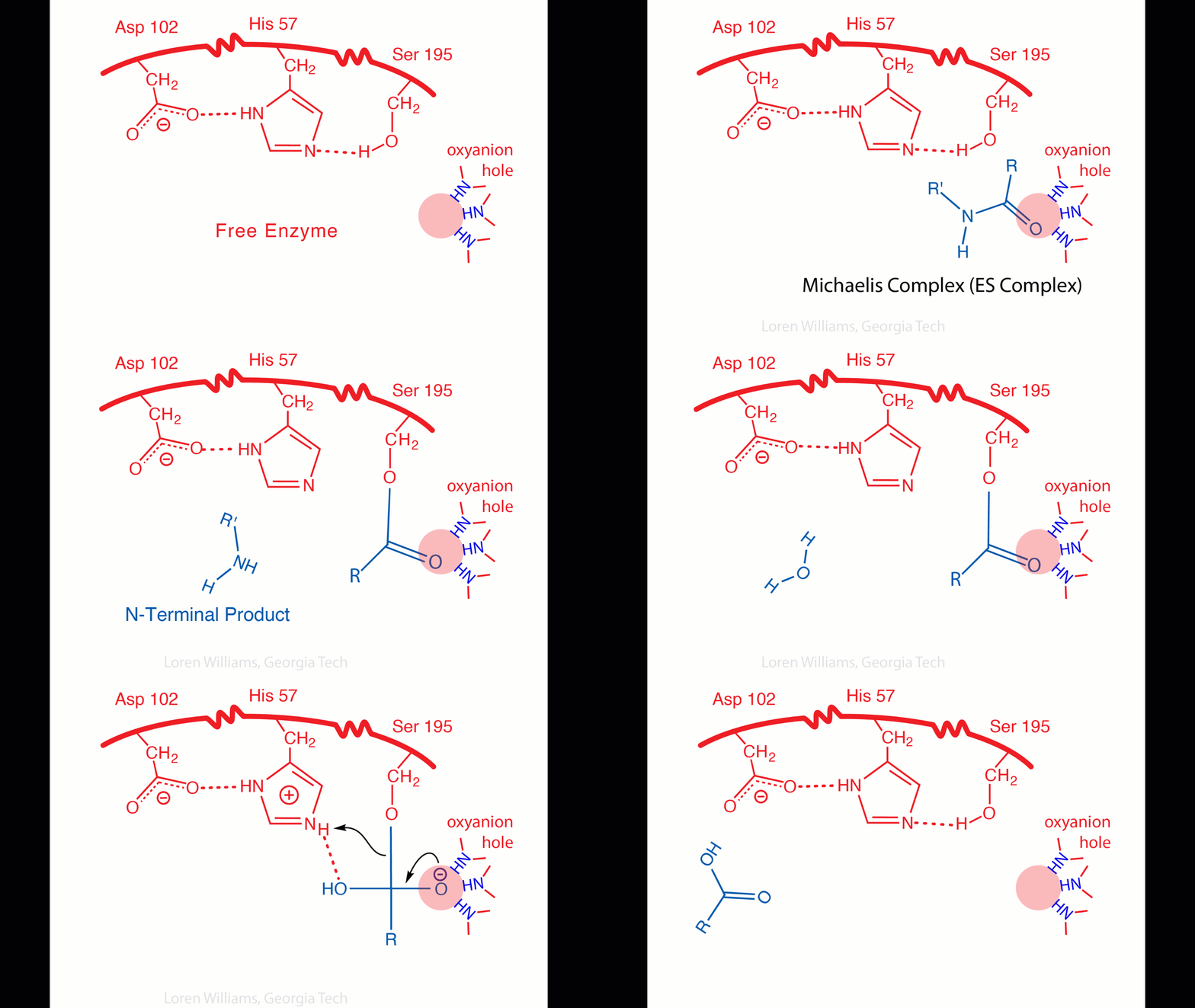
| Thursday, October 29, 2026 | 16 | Module #20: Proteases, Kinases |
||
| Monday, November 2, 2026 | 17 | Module #21: Enzyme Kinetics |
Quiz E | Enzymes |
| Monday, November 2, 2026 | 18 | Module #21: Continued | ||
| Tuesday, November 3, 2026 | 19 | Module #22: Biopolymer Manipulation and Characterization |
||
| Tuesday, November 3, 2026 | 20 | Module #23: Regulatory Enzymes: PFK |
||
| Wednesday, November 4, 2026 | 21 | Module #24: Motors and Translocases |
||
| Wednesday, November 4, 2026 | 22 | Module #25: Mono- and Di-saccharides |
||
| Thursday, November 5, 2026 | 23 | Module #25: Continued |
||
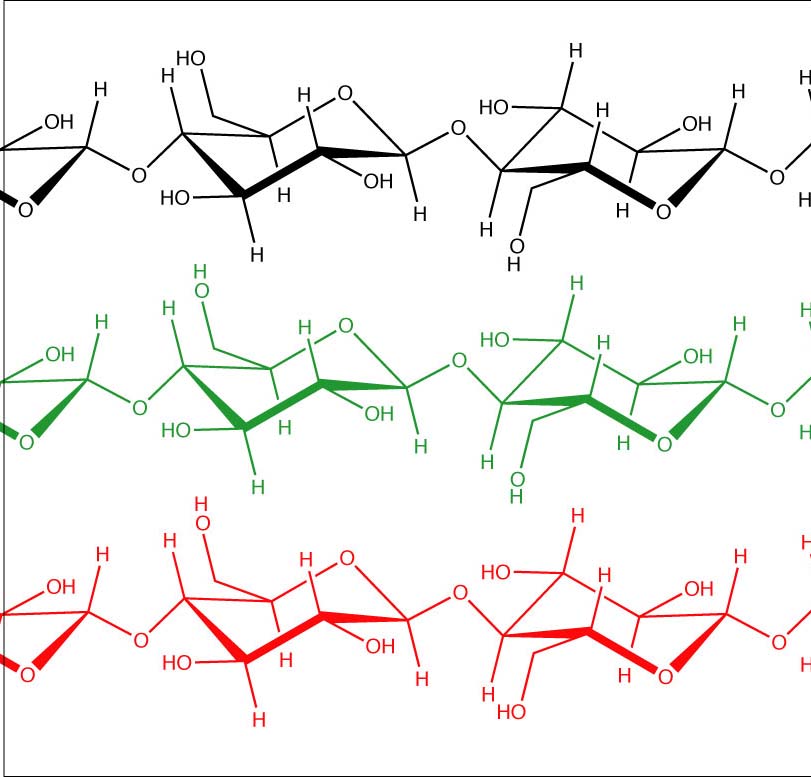
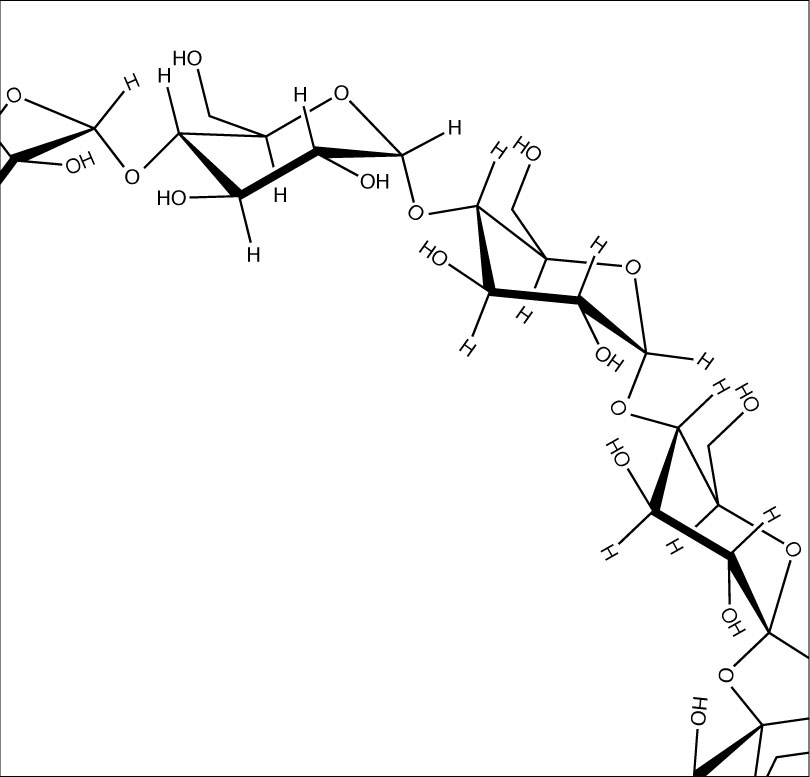
| Thursday, November 5, 2026 | 24 | Module #26: Polysaccharides |
||
| Monday, November 9, 2026 | 25 | Module #26: Continued |
Quiz F | Mono- & di-saccarides (cards 36-46) |
| Monday, November 9, 2026 | 26 | Module #27: Glycoconjugates |
||
| Tuesday, November 10, 2026 | 27 | Module #28: Bases, Nucleosides and Nucleotides |
Quiz G | Polysaccharides |
| Tuesday, November 10, 2026 | 28 | Module #29: DNA and RNA Structure #1 |
||
| Wednesday, November 11, 2026 | 29 | Module #30: DNA and RNA Structure #2 |
||
| Wednesday, November 11, 2026 | 30 | Module #31: Nucleic Acid Chemistry, Nucleotide Function |
||
| Thursday, November 12, 2026 | 31 | Module #32: Special Topics |
Quiz H | DNA Backbone/Base Pairs (cards 27-35) |
| Thursday, November 12, 2026 | 32 | Module #32: Continued |
||
| Monday, November 16, 2026 | 33 | Module #33: Endnote |
||
| Monday, November 16, 2026 | 34 | Module #34: Lipids |
||
| Tuesday, November 17, 2026 | 35 | Module #35: Composition and Architecture of Membranes |
||
| Tuesday, November 17, 2026 | 36 | Module #35: Continued |
Quiz I | Lipids/Membranes (cards 46-51) |
| Wednesday, November 18, 2026 | 37 | Module #36: Replication |
||
| Wednesday, November 18, 2026 | 38 | Module #37: Transcription |
||
| Thursday, November 19, 2026 | 39 | Module #38: Translation |
Quiz J | Central Dogma |
| Thursday, November 19, 2026 | 40 | Module #38: Continued | Last Lecture | |
| Monday, November 23, 2026 | Final 9:00 am – 12:00 pm |
Supplementary Materials:
Background Protein Literature
TOP | Molecular Interactions | Williams
Background Nucleic Acids Literature
TOP | Molecular Interactions | Williams